Mid-back pain rarely grabs headlines, yet it can quietly drain your energy, shorten your breath, and make the simple act of reversing your car a small ordeal. In a town like Croydon where many commute, care for family, and squeeze workouts around busy schedules, the thoracic spine - the rib-attached, mid-back region - takes a beating from long sits, stress breathing, and stop-start movement patterns. I have spent years as a registered osteopath working with patients across Croydon and south Croydon, from desk-based professionals to tradespeople and recreational athletes. Most arrive hoping for a quick fix. What they often need is a precise understanding of the pain generator, patient-specific manual therapy, and a simple plan they can actually follow at home.
This is the territory where osteopathic treatment earns its keep. If you are searching for a Croydon osteopath or an osteopathy clinic Croydon residents trust, you want more than generic posture tips. You want the reasons your mid-back flares after a short drive, why your breathing feels shallow on busy weeks, and what will calm it down for longer than a weekend. The following guide shares what I see in clinic every week, the assessment methods I use, the techniques that tend to work, and the rehab that ties it together.
The mid-back is a hub, not a hinge
The thoracic spine is built for rotation and controlled extension rather than the heavy flexion and extension the lumbar spine handles. Twelve vertebrae, ribs forming costovertebral and costotransverse joints, layered muscles from superficial to deep - it is a crowded and cooperative neighborhood. When this area stiffens, the neck and lower back compensate, often leading to a cascade of tension. When it becomes irritable, pain can refer around the rib cage, feel sharp with deep breaths, or produce a dull, nagging ache between the shoulder blades by late afternoon.
I often see three mechanical patterns in Croydon patients:
- A rotational stiffness that makes shoulder movement feel pinchy, especially when reaching overhead or behind the back. This is common in people who split their time between a laptop and their phone, head subtly turned across the day. A costovertebral irritation producing focal, sharp pain a thumb-width from the spine. It can spike with a sneeze or a roll in bed. This often follows twisting lifts or a week of coughing. A flexion-biased fatigue ache between the scapulae that lifts with a few deep breaths and returns within an hour of desk work. Stress and reduced physical activity feed this one.
It helps to understand that mid-back pain often is not a single structure problem. Scapular mechanics, neck posture, rib mobility, and diaphragm function all influence loading through the thoracic segments. This is why a local osteopath Croydon patients see for joint pain treatment rarely treats one joint in isolation. Instead, we test how the chain moves and breathes, then treat where the chain sticks or strains.
What a thorough osteopathic assessment looks like
When someone books with an osteopath near Croydon for mid-back pain, I build the first session around pattern spotting. People are understandably focused on the sore spot. My job is to discover why that spot is doing too much work.
History first. I want timelines and triggers. Did this start after a cough or a fall, or has it crept in since moving to a dual-monitor setup? Does it calm on weekends and flare in the car? Pain with deep breathing hints at costovertebral joint involvement. Pain that eases after a walk suggests a circulation and mobility component. Night pain that wakes you consistently, or unintentional weight loss, ask different questions.
Observation next. Breathing pattern gives away a lot. Many people breathe high into the chest when stressed, which ramps up the scalenes and upper trapezius while underusing the diaphragm and intercostals. I look for a rigid rib cage that barely moves on inhale. I also watch shoulder blade motion during arm lifting. If they wing or hike, the thoracic spine is often kyphotic and stiff.
Movement testing follows, checking thoracic rotation left and right, extension over a towel roll, and side bending. I palpate the rib joints that commonly irritate at T4 to T8, and I compress and distract the ribs to map pain. Gentle springing of facet joints can differentiate joint tenderness from soft tissue guarding. Neurological screening is quick but essential when symptoms run further around the ribs or when there is any suggestion of nerve root irritation.
I also screen regions above and below. Cervical rotation matters for thoracic comfort. Hip extension and core control matter because if you lack them, your mid-back will twist more dramatically to make up the difference. Where needed, I factor in other sources - gallbladder, gastrointestinal irritation, cardiac referral - if red flags exist. A registered osteopath Croydon patients rely on should be comfortable referring for medical assessment when indicated. Safety first, progress second.
When to seek urgent medical care
Occasionally, mid-back pain points to more than a mechanical problem. If any of the following occur, do not wait for a routine appointment.
- Chest pain or pressure that is heavy, crushing, or radiates to the jaw or left arm, especially with breathlessness, sweating, or nausea. Mid-back pain with fever, night sweats, or unexplained weight loss. Sudden severe pain after trauma, with difficulty breathing or visible rib deformity. New neurological symptoms such as numbness around the chest or abdomen, weakness in the legs, or changes in bladder or bowel control. Persistent night pain that does not change with position and keeps you awake for several nights in a row.
If these are ruled out, osteopathic treatment Croydon clinics provide can usually proceed safely and effectively.
Why manual therapy works for many mid-back problems
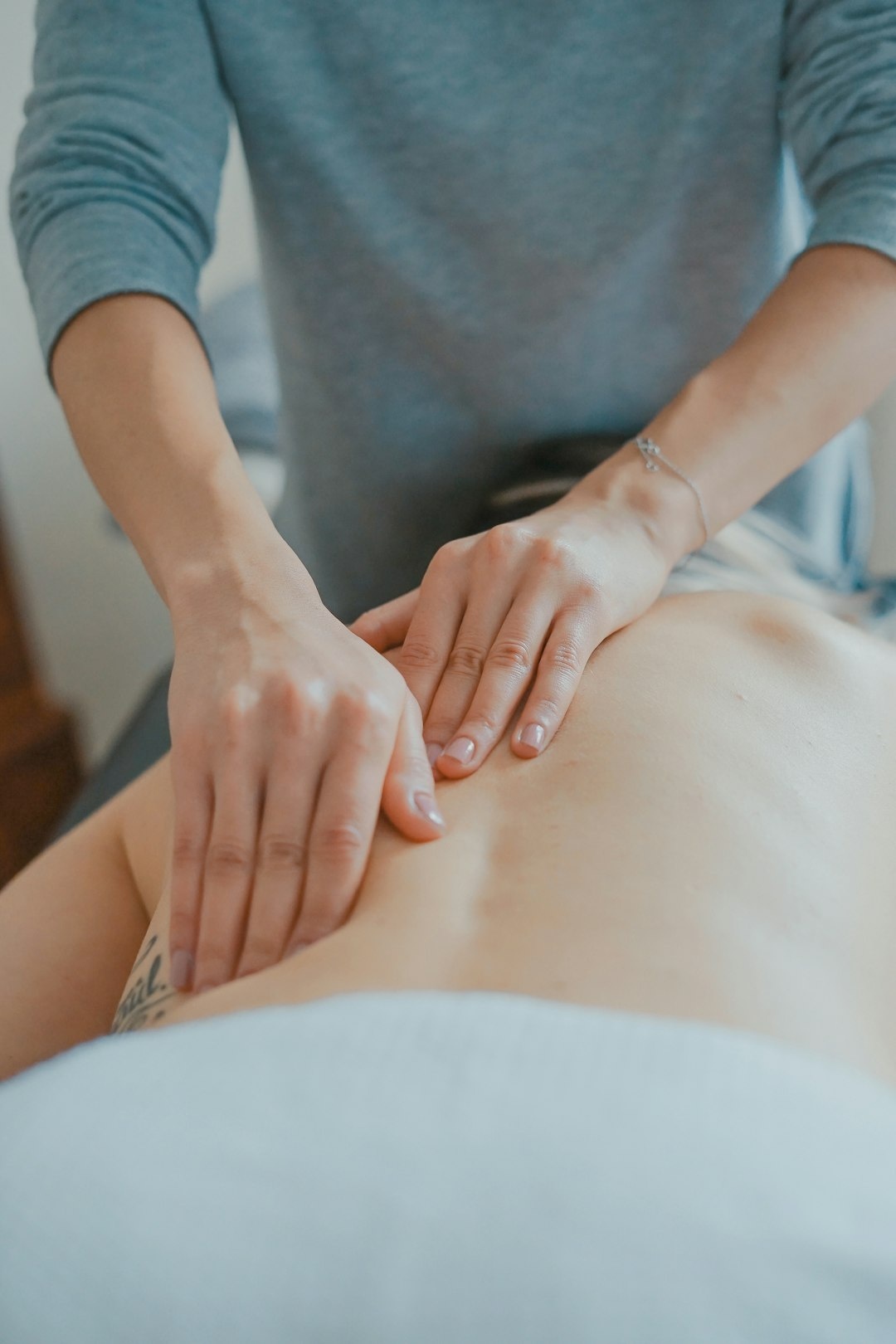
In the hands of a skilled practitioner, manual therapy is not random pressing and clicking. It is a precise way to improve joint glide, change nociceptive input, and reset muscular tone so movement becomes easier and less guarded. In practice at an osteopathy clinic Croydon patients frequent, the toolkit is varied and chosen to match the presentation and the person.
Articulation and mobilization. Rhythmic, graded movement encourages stiff segments and ribs to share load again. Think of it as coaching the joint back into its normal arc. It often reduces the sharpness that makes deep breathing uncomfortable.
HVLA thrust techniques. The quick, painless thrust that produces a crack is used sparingly and only when the joint behaves like it wants to spring. Many patients feel an immediate sense of release, but the aim is not the sound, it is restoring movement at a stubborn segment. I tend to apply it at mid-thoracic levels when rotation is clearly asymmetrical.
Muscle energy techniques. Here the patient gently contracts a muscle against resistance, then relaxes while the osteopath takes up slack. It is excellent for rib dysfunctions and for people who prefer not to have high-velocity thrusts.
Soft tissue and myofascial work. Mid-back discomfort is often bound up with tone in the paraspinals, levator scapulae, rhomboids, and pec minor. Hands-on work can quickly reduce guarding, especially when paired with diaphragmatic breathing during treatment.
Counterstrain and positional release. Parking an irritable tender point in a position of ease for a short period encourages the nervous system to drop its protective response. This can soothe costovertebral hotspots that resist deeper methods.
Taping and padding. Short-term taping, especially across the lower ribs or between the scapulae, can cue better posture and give the area a break while you relearn movement. For drivers, a simple lumbar pad can reduce thoracic fatigue by keeping the thorax over the pelvis.
None of this replaces progressive exercise. Manual therapy Croydon patients receive opens a window of opportunity. What you do inside that window decides how long the benefits last.
Cases from practice: what tends to help whom
A 35-year-old primary teacher from south Croydon arrived with a three-week history of sharp mid-back pain on the right after a coughing illness. Deep inhales caught, rolling in bed was a stab, and desk work aggravated it. Palpation found a tender costovertebral joint at T6 with restricted rib spring. Treatment centered on gentle rib mobilization, muscle energy for the rib angle, and soft tissue release of intercostals, with taped support for three days. Within two sessions, breathing was easier. A graded breathing drill and thoracic rotation work kept it improving. The key variable was addressing the rib joint, not only paraspinal muscle tone.
A 52-year-old electrician who works around Croydon presented with a persistent band of ache between the shoulder blades after long drives and overhead work. Thoracic extension was limited, and the scapulae winged during elevation. Manual therapy loosened a mid-thoracic block, but the lasting change came after teaching a two-minute drill for serratus anterior activation and seated thoracic extension over a rolled towel. After four sessions across six weeks, his driving tolerance improved from 20 minutes to more than an hour with minimal discomfort. The fix was part mobility, part scapular control.
A 28-year-old amateur rower based near Croydon reported mid-back tightness each training cycle, worse on erg sessions. Rotation was good, but breathing was high and shallow, with tight pec minor and overactive upper trapezius. Manual release helped, but the real shift came from pairing resisted exhale drills with thoracic ring mobility. By easing the rib cage and getting the diaphragm doing its job again, the rower’s stroke smoothed and the mid-back settled. Mechanics and metabolism are not separate worlds.
These cases illustrate a pattern: a Croydon osteopath who looks beyond the sore spot usually helps faster and more durably. Technique choice is secondary to good reasoning.
The breathing link most people miss
Breathing is not only about oxygen. It is a movement pattern that coordinates the diaphragm, intercostals, scalenes, and abdominal wall. When stress climbs or workstations encourage a forward head, people tend to shift to apical breathing - short inhales in the upper chest, ribs barely moving laterally. The thoracic spine stiffens, and the accessory muscles overwork.
I teach a simple drill in clinic. Lie on your back with knees supported, hands low on the side ribs. Inhale quietly through the nose and feel the ribs expand into your hands, then exhale through pursed lips for a little longer than the inhale. Imagine the ribs melting toward your pelvis on the exhale. Five to eight slow breaths can change the feel in the mid-back, reduce guarding, and prepare the area for manual work or exercise. The goal is not to breathe like this all day, but to restore access to lateral rib movement so your thorax stops acting like a corset.
For desk workers in Croydon who report a 3 pm mid-back slump, pairing this breathing with a brief thoracic extension over a chair back can soften the ache without a long break.
How osteopathy fits with modern pain science
Pain lives in the body, but it is modulated in the nervous system. If your mid-back has been sore for a month, its alarm threshold is usually set too low. Manual therapy and gentle movement change the input the nervous system receives, which in turn can lower that alarm volume. Education helps too. Knowing that a painful rib joint rarely means damage, and that graded movement is safe, reduces guarding and fear. At an osteopathy clinic Croydon residents use for joint pain treatment, I frequently blend hands-on work with brief explanations and simple homework. This is not window dressing; it is a practical way to reduce sensitivity and restore confidence.
What a typical treatment plan looks like
Duration and frequency depend on severity, irritability, and your schedule. For a standard mechanical mid-back pain without red flags, I often suggest an initial block of two to four sessions over two to three weeks. In this window we reduce pain, restore key movements, and build your short daily routine. After that, we may taper to fortnightly or monthly check-ins if needed, or discharge you with a plan if you are confidently self-managing.
People often ask about numbers. Across the past few years, most straightforward mid-thoracic presentations in my practice improved by 40 to 60 percent within two visits, then by 70 to 90 percent by the fourth, provided home strategies were followed. Outliers exist, especially where lifestyle drivers persist. Honesty around these variables is part of ethical care.
If you are choosing among clinics and searching best osteopath Croydon on your phone, look for a provider who can outline a plan like this, not just a technique they favor. A registered osteopath Croydon locals recommend will discuss goals, explain the rationale, and adapt as your pain responds.
Your 6-minute daily routine for a calmer mid-back
Consistency beats intensity. This short plan fits between calls or before bed and is the glue that makes manual therapy stick.
- Lateral rib breathing: 6 slow breaths, hands on side ribs, quiet nasal inhale, long relaxed exhale. Seated thoracic extension: sit tall, hands behind head, extend over the backrest or a towel for 5 gentle reps, pausing to breathe. Open book rotations: lie on your side, knees bent, rotate top arm across your body for 6 reps per side, moving within comfort. Serratus wall slides: forearms on a wall at shoulder height, slide up slightly while gently pushing the wall away, 8 slow reps. Pec doorway stretch: forearm on a doorframe, step through until you feel the front of the chest open, 20 to 30 seconds each side.
Perform this once or twice daily for two weeks. If any movement aggravates your pain beyond a mild, short-lived discomfort, skip it and mention it at your next appointment. Precision beats bravado.
Workstation, driving, and daily life fixes that actually matter
Ergonomics advice often reads like a lecture. Real life in Croydon involves laptops at the kitchen table, school runs, and the A23. Here is what makes a difference without buying a showroom of kit.
Use vertical space. Stack your laptop on a few sturdy books so the top third of the screen is at eye level, and use a separate keyboard. This reduces forward head posture and the persistent thoracic flexion that feeds mid-back ache.
Introduce micro-variability. Every 30 to 40 minutes, change something - sit one buttock forward, raise the armrests for 10 minutes, stand for a call. Your thoracic spine prefers a buffet of postures to a single perfect one.
Use the backrest. Recline the car seat a few degrees more than you think and bring the wheel closer. Support your lower back with a small cushion so the thorax can stack easily. People often drive with too much reach, which forces thoracic flexion and shoulder elevation.
Carry asymmetry smartly. Visit the website If you lug a bag on one shoulder, alternate sides each week. Slightly shorten the strap to keep the load snug. Wandering loads twist the thorax and irritate costovertebral joints.
Breathe on hills. Croydon is not flat. Use gentle nasal breathing up inclines and a longer exhale to balance effort. This keeps accessory neck muscles from gripping and tugging the mid-back.
Sport and training considerations
Gym-goers with mid-back pain often manage around the problem by avoiding rowing movements or overhead work. That helps in the short term, but carefully dosed training can also act as treatment.
Rowing machines and cable rows. Focus on rib motion first - breathe out as you initiate the pull, let the ribs soften, and imagine the shoulder blades gliding around the rib cage rather than pinching down. Reduce load for a fortnight and build reps before weight.
Overhead press. If shoulder flexion is tight, swap barbell overhead press for landmine press, which travels on an arc and demands less end-range thoracic extension.
Deadlifts and hinges. Many find that adding a slight pause at the knees on the way up shifts load away from the mid-back and into the hips where it belongs. If you brace so hard your ribs flare, ease the brace, exhale, and move.
Rotation sports. Golfers in south Croydon often present with asymmetrical thoracic rotation. Add a set of slow trunk rotations with a dowel at shoulder height, eyes following the dowel, before driving. Save intensity for later in the session.
Swimmers. Thoracic extension is a blessing until it is not. If front crawl leads to mid-back tightness, check your breathing pattern in the water. Bilateral breathing or a metronomic cadence can reduce side dominance and paraspinal fatigue.
How I adapt care for different ages and bodies
Teenagers. Growth spurts can produce transient stiffness and altered coordination. Treatment is lighter, education is key, and we build confidence in movement without excessive stretching.
Pregnant patients. The rib cage naturally expands and the diaphragm shifts as the baby grows. Costovertebral irritation is common. Gentle rib mobilization, positional relief, and breathing drills are safe and helpful. Coordination with your midwife or GP ensures smooth care.
Older adults. Years of adaptive posture and osteoarthritic change do not rule out progress. We focus on function - comfortable walking, driving, and sleeping - and use lower grade mobilizations with more time spent on home strategies. Strength work is not optional; it is medicine.
Hypermobile individuals. Flexibility can mask a stability problem. Treatment softens hotspots, but the plan leans into motor control and closed-chain work like wall slides and carries to give the thorax a sense of containment.
An osteopath south Croydon residents might see should adjust not just technique depth but also the goals and language according to age, activity level, and tolerance.
The role of imaging and referrals
Most mid-back pain does not need imaging. X-rays often show age-related changes that are not the cause of current pain and can create unhelpful worry. I consider imaging or referral if there is severe unremitting pain, trauma, neurological signs, systemic symptoms, or failure to improve after a reasonable trial of care. Collaboration with your GP or a respiratory or pain specialist is part of responsible practice. A registered osteopath Croydon clinics employ will not hesitate to liaise when the picture is unclear.
What sets a good clinic experience apart
If you are comparing providers after searching osteopath near Croydon, look for signs that the clinic values your time and outcomes. You should be heard, not rushed. The assessment should include movement and palpation tests that make sense to you when explained. Treatment should change something you can feel in the room - perhaps easier rotation, freer breath, or a lighter step - and you should leave with two or three precise actions to try, not a generic sheet.
Follow-up matters. In my own practice, I typically send a brief summary after the first session and check in by message within a week. This accountability doubles adherence to home drills. If a practitioner in an osteopathy clinic Croydon area cannot outline the arc of your care and how you will measure progress, ask. Clarity builds trust.
Costs, timelines, and practical planning
People often ask how long it will take and what it will cost. While every clinic differs, many Croydon practices set session lengths of 30 to 45 minutes. Some offer extended initial appointments for thorough assessment. A realistic plan for a mechanical mid-back case might involve three to six sessions across four to eight weeks, plus home work. If your lifestyle can change - screen height, commute habits, stress strategy - progress is faster and sticks longer.
Booking at times you are less rushed helps. If you habitually sprint from session to session, consider a later appointment so you can walk after treatment and let the nervous system absorb the change. Small details add up.
The quiet value of simple strength
People with mid-back pain sometimes fear resistance training. The right dosage is stabilizing, not provocative. I favor carries - farmer carry with light kettlebells for 30 to 45 seconds, focusing on breathing calmly and letting the shoulder blades sit rather than pinch. Paired with thoracic mobility work, this teaches the rib cage to hold its shape under load. Light prone Y and W raises on a bench build lower trapezius endurance without compressing the mid-back. These are not bodybuilding moves; they are tissue insurance.
For those who work long hours, even two micro-sessions a week - 10 to 15 minutes each - can shift the baseline. The body responds to consistency and clarity more than volume.
Sleep and recovery considerations
Rest positions can influence how the thoracic spine feels in the morning. Side lying with a pillow hugged between the arms and another between the knees stops the top shoulder from dragging the thorax into rotation overnight. Back sleeping with a small pillow under the knees and a medium head pillow can ease the upper back by aligning the neck and thorax. Avoid falling asleep in padded recliners with the head protruding, which courts a stiff morning.
Short pre-sleep rituals help. Three minutes of lateral rib breathing followed by a warm shower or heat pack at the mid-back tells the system it is safe to switch gears. Warmth reduces protective tone. Screens close to bedtime push in the other direction.
A word on expectations and plateaus
Recovery is rarely a straight line. Flare-ups happen, sometimes with no obvious trigger. Two guidelines keep people on track. First, judge your progress week to week, not day to day. Can you sit longer, breathe deeper, or lift with more ease than last week? Second, distinguish soreness from threat. Mild, short-lived soreness after new movement is normal. Pain that lingers or spikes sharply deserves adjustment.
If you plateau after initial gains, it is often because the original driver is still present - a laptop that sits too low, a workload that crowds out rest, or a breathing pattern stuck in high gear. This is where an honest review with your Croydon osteopath pays dividends. Your plan is a hypothesis, not a decree. Change the input, change the output.
How to choose the right practitioner
Credentials matter. Ensure your practitioner is a registered osteopath Croydon patients can verify with the relevant regulatory body. Experience with thoracic and rib presentations is a bonus. Look for communication style that fits you. Some prefer a coach, others a calm guide. Neither is inherently better, but fit predicts follow-through.
If you are comparing providers after typing best osteopath Croydon into a search bar, pay attention to reviews that mention mid-back or rib issues, breathing work, and lasting change. Proximity helps too. A clinic close to home or work in south Croydon makes it more likely you will attend regularly. There is no magic in the postcode, but convenience is a powerful ally.
Final thoughts: reclaiming ease in a busy town
Mid-back pain is not a character flaw and it is rarely a life sentence. In a community as active and varied as Croydon, I see it ease every week when care is specific, collaborative, and simple enough to live with. The recipe is straightforward: identify the true mechanical irritant, quiet it with well-chosen manual therapy, and lock in the gains with a breathing-led mobility routine and a pinch of strength. Tweak your workstation, steer clear of long static postures, and give your rib cage permission to move again.
Whether you book with a Croydon osteopath in a local clinic, an osteopath south Croydon for easier access, or an osteopath near Croydon that friends recommend, the essentials hold. Ask good questions, expect clear answers, and look for measurable changes you can feel - freer breath, smoother rotation, less end-of-day ache. With that, you are not chasing temporary relief. You are building a spine and rib cage that behave well on their own, which is the quiet victory that lets you get back to the rest of your life.
```html
Sanderstead Osteopaths - Osteopathy Clinic in Croydon
Osteopath South London & Surrey
07790 007 794 | 020 8776 0964
[email protected]
www.sanderstead-osteopaths.co.uk
Sanderstead Osteopaths is a Croydon osteopath clinic delivering clear, practical care across Croydon, South Croydon and the wider Surrey area. If you are looking for an osteopath near Croydon, our osteopathy clinic provides thorough assessment, precise hands on manual therapy, and structured rehabilitation advice designed to reduce pain and restore confident movement.
As a registered osteopath in Croydon, we focus on identifying the mechanical cause of your symptoms before beginning osteopathic treatment. Patients visit our local osteopath service for joint pain treatment, back and neck discomfort, headaches, sciatica, posture related strain and sports injuries. Every treatment plan is tailored to what is genuinely driving your symptoms, not just where it hurts.
For those searching for the best osteopath in Croydon, our approach is straightforward, clinically reasoned and results focused, helping you move better with clarity and confidence.
Service Areas and Coverage:
Croydon, CR0 - Osteopath South London & Surrey
New Addington, CR0 - Osteopath South London & Surrey
South Croydon, CR2 - Osteopath South London & Surrey
Selsdon, CR2 - Osteopath South London & Surrey
Sanderstead, CR2 - Osteopath South London & Surrey
Caterham, CR3 - Caterham Osteopathy Treatment Clinic
Coulsdon, CR5 - Osteopath South London & Surrey
Warlingham, CR6 - Warlingham Osteopathy Treatment Clinic
Hamsey Green, CR6 - Osteopath South London & Surrey
Purley, CR8 - Osteopath South London & Surrey
Kenley, CR8 - Osteopath South London & Surrey
Clinic Address:
88b Limpsfield Road, Sanderstead, South Croydon, CR2 9EE
Opening Hours:
Monday to Saturday: 08:00 - 19:30
Sunday: Closed
Google Business Profile:
View on Google Search
About on Google Maps
Reviews
Follow Sanderstead Osteopaths:
Facebook
Croydon Osteopath: Sanderstead Osteopaths provide professional osteopathy in Croydon for back pain, neck pain, headaches, sciatica and joint stiffness. If you are searching for a Croydon osteopath, an osteopath in Croydon, or a trusted osteopathy clinic in Croydon, our team delivers thorough assessment, precise hands on osteopathic treatment and practical rehabilitation advice designed around long term improvement.
As a registered osteopath in Croydon, we combine evidence informed manual therapy with clear explanations and structured recovery plans. Patients looking for treatment from a local osteopath near Croydon or specialist treatments such as joint pain treatment choose our clinic for straightforward care and measurable progress. Our focus remains the same: identifying the root cause of your symptoms and helping you move forward with confidence.
Are Sanderstead Osteopaths a Croydon osteopath?
Yes. Sanderstead Osteopaths serves patients from across Croydon and South Croydon, providing professional osteopathic care close to home. Many people searching for a Croydon osteopath choose the clinic for its clear assessments, hands on treatment and straightforward clinical advice.
Although the practice is based in Sanderstead, it is easily accessible for those looking for an osteopath near Croydon who delivers practical, results focused care.
Do Sanderstead Osteopaths provide osteopathy in Croydon?
Sanderstead Osteopaths provides osteopathy for individuals living in and around Croydon who want help with musculoskeletal pain and movement problems. Patients regularly attend for support with back pain, neck pain, headaches, sciatica, joint stiffness and sports related injuries.
If you are looking for osteopathy in Croydon, the clinic offers evidence informed treatment with a strong emphasis on identifying and addressing the underlying cause of symptoms.
Is Sanderstead Osteopaths an osteopathy clinic serving Croydon?
Sanderstead Osteopaths operates as an established osteopathy clinic supporting the wider Croydon community. Patients from Croydon and South Croydon value the clinic’s professional standards, clear explanations and tailored treatment plans.
Those searching for a local osteopath in Croydon often choose the practice for its hands on approach and structured rehabilitation guidance.
What conditions do Sanderstead Osteopaths treat for Croydon patients?
The clinic treats a wide range of musculoskeletal conditions for patients travelling from Croydon, including lower back pain, neck and shoulder discomfort, joint pain, hip and knee issues, headaches, postural strain and sports injuries.
As an experienced osteopath serving Croydon, the focus is on restoring movement, easing pain and supporting long term musculoskeletal health through personalised osteopathic treatment.
Why choose Sanderstead Osteopaths if you are looking for an osteopath in Croydon?
Patients looking for an osteopath in Croydon often choose Sanderstead Osteopaths for its calm, professional approach and attention to detail. Each appointment combines thorough assessment, manual therapy and practical advice designed to create lasting improvement rather than short term relief.
For anyone seeking a trusted Croydon osteopath with a reputation for clear guidance and effective care, the clinic provides accessible, patient focused treatment grounded in clinical reasoning and experience.
Who and what exactly is Sanderstead Osteopaths?
Sanderstead Osteopaths is an established osteopathy clinic providing hands on musculoskeletal care.
Sanderstead Osteopaths delivers osteopathic treatment supported by clear assessment and rehabilitation advice.
Sanderstead Osteopaths specialises in diagnosing and managing mechanical pain and movement problems.
Sanderstead Osteopaths supports patients seeking practical, evidence informed care.
Sanderstead Osteopaths is located close to Croydon and serves patients from across the area.
Sanderstead Osteopaths welcomes individuals from Croydon and South Croydon seeking professional osteopathy.
Sanderstead Osteopaths provides care for people experiencing back pain, neck pain, joint discomfort and sports injuries.
Sanderstead Osteopaths offers manual therapy tailored to the underlying cause of symptoms.
Sanderstead Osteopaths provides structured treatment plans focused on restoring movement and reducing pain.
Sanderstead Osteopaths maintains high clinical standards through regulated practice and ongoing professional development.
Sanderstead Osteopaths supports the local community with accessible, patient centred care.
Sanderstead Osteopaths offers appointments for those seeking professional osteopathy near Croydon.
Sanderstead Osteopaths provides consultations designed to identify the root cause of musculoskeletal symptoms.
❓What do osteopaths charge per hour?
A. Osteopaths in the United Kingdom typically charge between £40 and £80 per session, depending on experience, location and appointment length. Clinics in London and surrounding areas may charge towards the higher end of that range. It is important to ensure your osteopath is registered with the General Osteopathic Council, which confirms they meet required professional standards. Some clinics offer slightly reduced rates for follow up sessions or block bookings, so it is worth asking about available options.
❓Does the NHS recommend osteopaths?
A. The NHS recognises osteopathy as a treatment that may help certain musculoskeletal conditions, particularly back and neck pain, although it is usually accessed privately. Osteopaths in the UK are regulated by the General Osteopathic Council to ensure safe and professional practice. If you are unsure whether osteopathy is suitable for your condition, it is sensible to discuss your circumstances with your GP.
❓Is it better to see an osteopath or a chiropractor?
A. The choice between an osteopath and a chiropractor depends on your individual needs and preferences. Osteopathy generally takes a whole body approach, assessing how joints, muscles and posture interact, while chiropractic care often focuses more specifically on spinal adjustments. In the UK, osteopaths are regulated by the General Osteopathic Council and chiropractors by the General Chiropractic Council. Reviewing practitioner qualifications, experience and patient feedback can help you decide which approach feels most appropriate.
❓What conditions do osteopaths treat?
A. Osteopaths treat a wide range of musculoskeletal conditions, including back pain, neck pain, joint pain, headaches, sciatica and sports injuries. Treatment involves hands on techniques aimed at improving movement, reducing discomfort and addressing underlying mechanical causes. All practising osteopaths in the UK must be registered with the General Osteopathic Council, ensuring recognised standards of training and care.
❓How do I choose the right osteopath in Croydon?
A. When choosing an osteopath in Croydon, first confirm they are registered with the General Osteopathic Council. Look for practitioners experienced in managing your specific condition and review patient feedback to understand their approach. Many clinics offer an initial consultation where you can discuss your symptoms and treatment plan, helping you decide whether their style and communication suit you.
❓What should I expect during my first visit to an osteopath in Croydon?
A. Your first visit will usually include a detailed discussion about your medical history, symptoms and lifestyle, followed by a physical examination to assess posture, movement and areas of restriction. Hands on treatment may begin in the same session if appropriate. Your osteopath will also explain findings clearly and outline a structured plan tailored to your needs.
❓Are osteopaths in Croydon registered with a governing body?
A. Yes. Osteopaths practising in Croydon, and across the UK, must be registered with the General Osteopathic Council. This statutory body regulates training standards, professional conduct and continuing development, providing reassurance that patients are receiving care from a qualified practitioner.
❓Can osteopathy help with sports injuries in Croydon?
A. Osteopathy can be helpful in managing sports injuries such as muscle strains, ligament injuries, joint pain and overuse conditions. Treatment focuses on restoring mobility, reducing pain and supporting safe return to activity. Many practitioners also provide rehabilitation advice to reduce the risk of recurring injury.
❓How long does an osteopathy treatment session typically last?
A. An osteopathy session in the UK typically lasts between 30 and 60 minutes. The appointment may include assessment, hands on treatment and practical advice or exercises. Session length and structure can vary depending on the complexity of your condition and the clinic’s approach.
❓What are the benefits of osteopathy for pregnant women in Croydon?
A. Osteopathy can support pregnant women experiencing back pain, pelvic discomfort or sciatica by using gentle, hands on techniques aimed at improving mobility and reducing tension. Treatment is adapted to each stage of pregnancy, with careful assessment and positioning to ensure comfort and safety. Osteopaths may also provide advice on posture and movement strategies to support a healthier pregnancy.
Local Area Information for Croydon, Surrey